In this video
What you'll learn
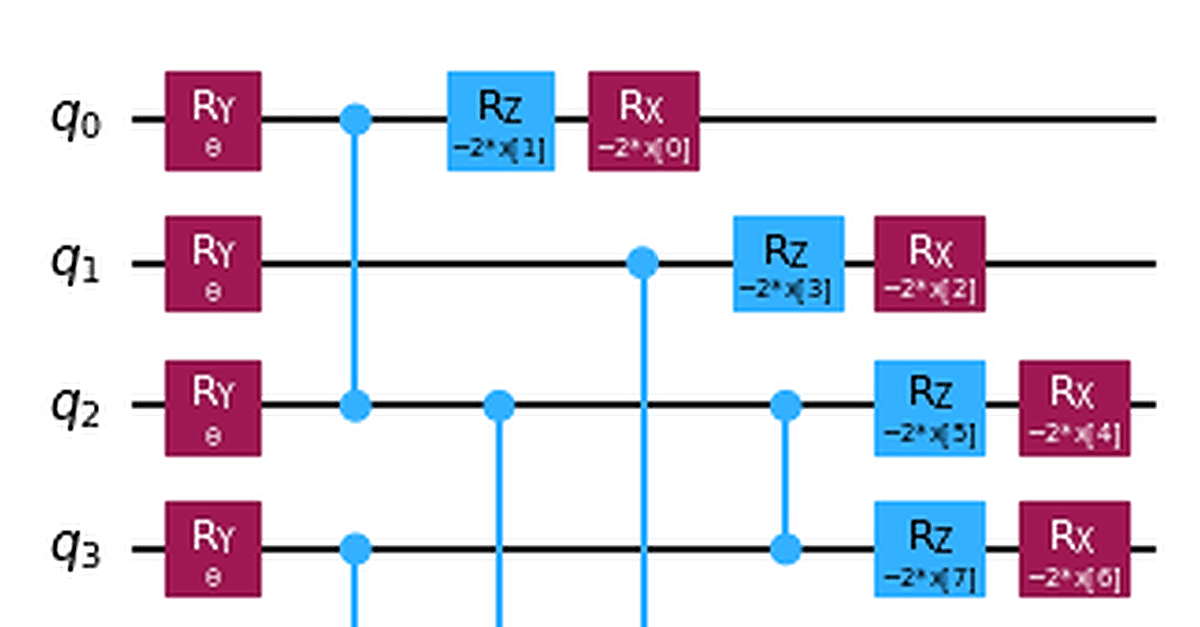
Quantum support vector machine model
Why quantum SVM can be better than classical SVM
Implement quantum SVM in Qiskit 2.3 on real dataset
Why this topic matters
You'll learn from
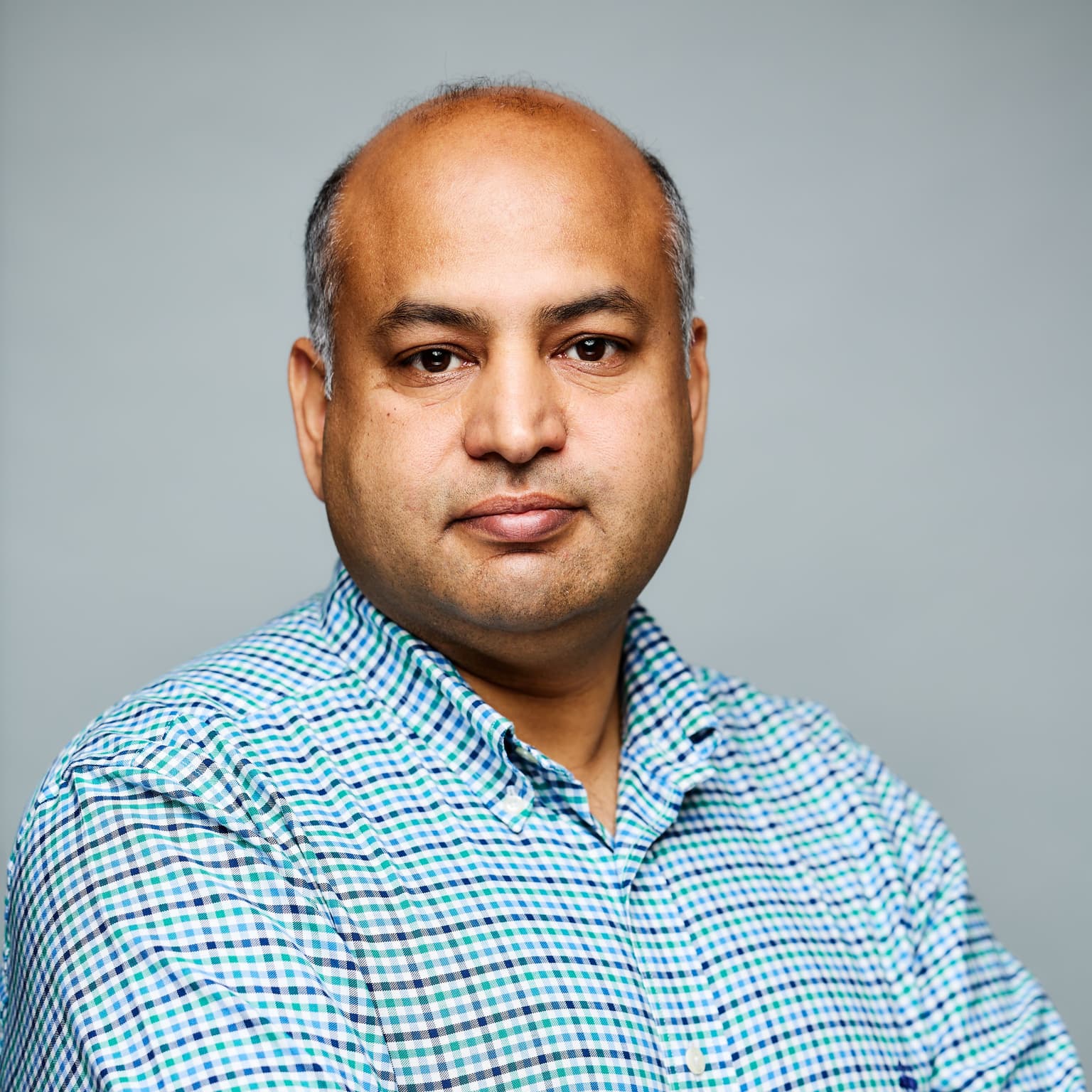
Dr. Muhammad Faryad
IBM-Certified Quantum Developer, QML Scientist, Qiskit Advocate
Muhammad Faryad is a computational physicist and Associate Professor at LUMS. He earned his PhD in Engineering Science and Mechanics from The Pennsylvania State University in 2012, where he received the Best Dissertation Award. In 2019, he was honored with the Galleino Denardo Award from the Abdus Salam International Centre for Theoretical Physics (ICTP). He is an IBM-certified Qiskit 2.x developer, a Tier 2 IBM Qiskit Advocate, an IBM QAMP Mentor, and a QWorld Instructor. His research focuses on quantum machine learning, quantum algorithm design, and the analysis of noise resilience in near-term quantum systems.
Go deeper with a course
Keep exploring
.jpg&w=1536&q=75)