Kernel Engineering: From CUDA Foundations to Frontier AI Kernels
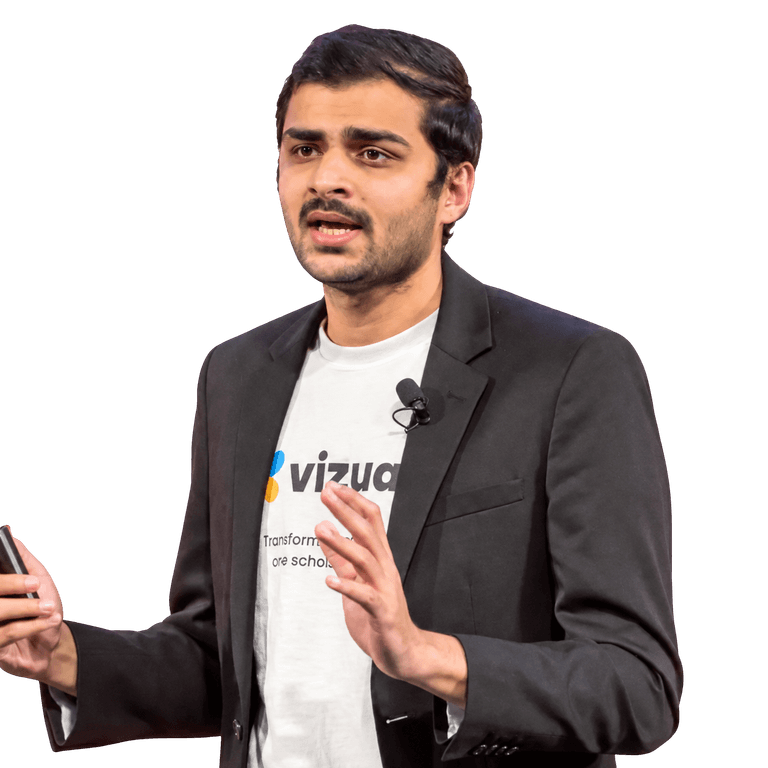
Dr. Raj Dandekar
Lead Instructor | MIT PhD
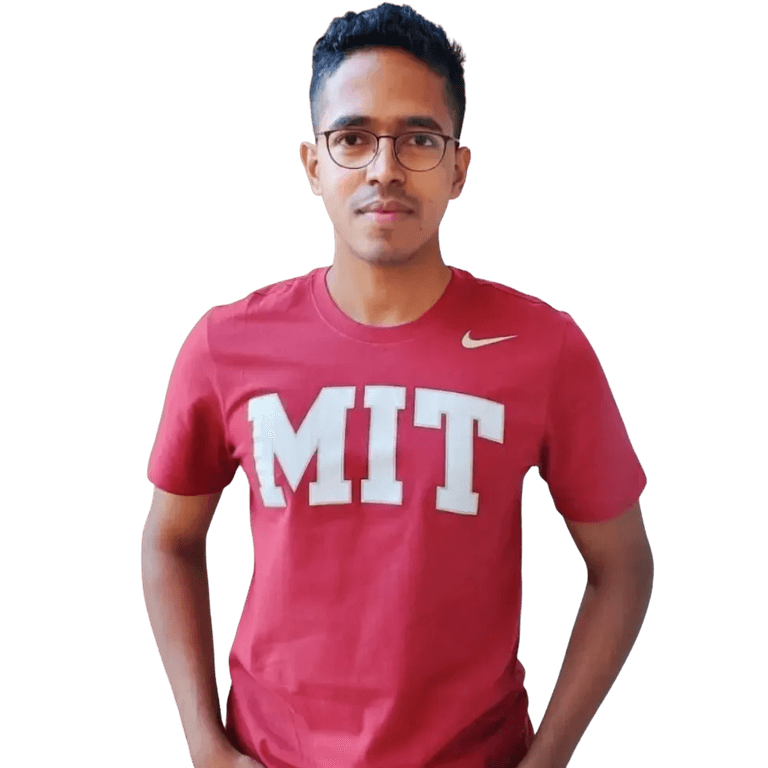
Dr. Sreedath Panat
MIT PhD | Vizuara Co-founder
This course is popular
6 people enrolled last week.
Build GPU kernels from first principles—and learn to explain their performance.
Move from using GPU libraries to understanding and writing the kernels behind them. Vizuara’s Kernel Engineering Workshop combines 25 live sessions with hands-on coding, an illustrated book and a graded capstone.
Lead instructor Dr. Raj Dandekar teaches concepts and the capstone; Shubham Panchal leads live coding and frontier deep-dives. Start with CPU parallelism, roofline reasoning, CUDA and memory hierarchy. Build GEMM kernels, use tensor cores, profile bottlenecks and implement FlashAttention.
Then explore Hopper, Triton, CUTLASS/CuTe, inference-serving kernels, Blackwell/NVFP4, Flash Attention 4, DeepSeek’s FlashMLA/DeepGEMM and the agent-plus-profiler loop for AI-written kernels.
The workshop runs in partnership with Crusoe, with a guest lecture and capstone project ideas. Present your completed kernel project at a graded demo day.
For learners comfortable with Python and basic PyTorch; no prior CUDA or C++ is assumed. Cloud-GPU setup is covered. The website lists October 12–December 7, 2026, with recordings and code included.
What you’ll learn
Write, profile and optimize GPU kernels, then apply modern kernel techniques in a graded engineering capstone.
Use roofline reasoning, CUDA execution and memory hierarchy to explain performance limits.
Build transpose and GEMM kernels; apply tiling, vectorization, warp tiling and tensor cores.
Use Nsight Compute and compiled instructions to profile and debug kernels.
Build FlashAttention and compare the architectural ideas behind FA2, FA3 and FA4.
Explore Hopper, Blackwell, Triton, CUTLASS/CuTe, low precision and inference-serving kernels.
Study DeepSeek kernels and evaluate AI-generated kernels with an agent-plus-profiler loop.
Work on a kernel problem drawn from project ideas shared by Crusoe.
Apply techniques from the six-part curriculum and present your work at a graded demo day.
Use the included illustrated book, code and interview-preparation website to consolidate your learning.
Learn directly from expert instructors
Dr. Raj Dandekar
Vizuara Co-founder | MIT PhD | Kernel concepts, advanced lectures & capstone


Dr. Sreedath Panat
Vizuara Co-founder | MIT PhD | Computer vision & scientific machine learning
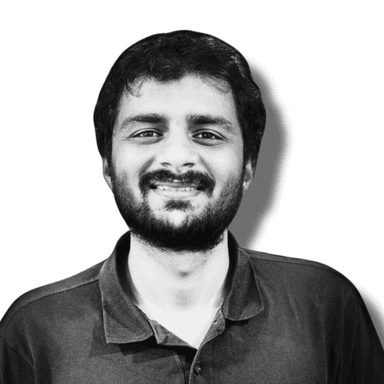
Dr. Rajat Dandekar
Vizuara Co-founder | Purdue PhD | Teaching engineers to build AI systems

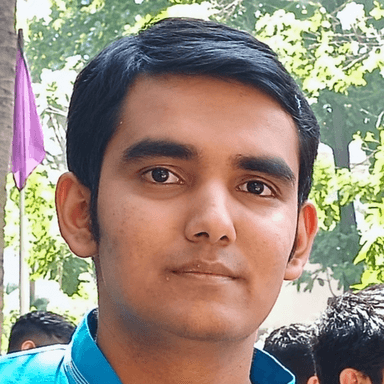
Shubham Panchal
On-device ML engineer | SmolChat creator | Live coding & frontier deep-dives
Who this course is for
Engineers comfortable with Python and basic PyTorch who want to write GPU kernels. No previous CUDA or C++ experience is required.
ML and inference engineers seeking hands-on practice with GEMM, attention, profiling and modern GPU kernel toolchains.
What's included
Live sessions
Learn directly from your instructors in a real-time, interactive format.
All code files and session recordings
Keep the code from the workshop and revisit recordings of all live sessions. Live participation is encouraged, especially for the coding sessions.
Kernel Engineering Interview Preparation
Access Vizuara’s Kernel Engineering Interview Preparation website alongside the workshop.
Illustrated Kernel Engineering Book
Vizuara’s illustrated Kernel Engineering Book is included with registration as the written companion to the live sessions. Access details will be sent directly to enrolled learners.
Crusoe collaboration and graded capstone
A Crusoe guest lecture and capstone project ideas, followed by a graded demo day. The demo-day date is announced inside the cohort.
One month of Vizz-AI and Vizuara AI Pods
The workshop includes one month of access to Vizz-AI and Vizuara AI Pods as a bonus, as listed on the workshop website.
Maven Guarantee
Your purchase is backed by the Maven Guarantee.
Course syllabus
25 live sessions • 26 lessons
Week 1
Oct
16
Kernel Engineering 04: Your first CUDA kernels
Week 1 — CPU parallelism and the roofline model
Oct
12
Kernel Engineering 01: How fast can this go?
Oct
13
Kernel Engineering 02: Parallelism on the CPU
Oct
15
Kernel Engineering 03: How does a GPU run your code?
Week 2
Oct
23
Kernel Engineering 08: GEMM by hand I
Oct
22
Kernel Engineering 07: GEMM worklog I
Week 2 — CUDA programming and memory
Oct
19
Kernel Engineering 05: The memory hierarchy
Oct
20
Kernel Engineering 06: The transpose ladder, and reading Nsight Compute
Vizuara: first principles, working code, proven teaching
Vizuara brings first-principles explanations, live coding, research papers and hands-on projects to a global AI learning community. Our YouTube channel has 224,000 subscribers, and our platform has more than 19,000 registered accounts across school, institutional and professional programs.
Founded by Purdue PhD Dr. Rajat Dandekar and MIT PhDs Dr. Raj Dandekar and Dr. Sreedath Panat, all IIT Madras alumni. The founders co-authored Manning’s Build a DeepSeek Model (From Scratch).
Vizuara’s collection of 109 learner stories reports a 4.96/5 average across rated reviews, with reviewers from organizations including Bosch, ISRO and Confluent. This feedback comes from earlier Vizuara programs.
Read learner stories: https://reviews.vizuara.ai/
Watch our teaching: https://www.youtube.com/@vizuara
Explore a lesson before you enroll
Start with our Introduction to GPUs and the CUDA Programming Model. Watch the recording to see how we explain GPU execution from first principles.
Then explore How a Matmul Kernel Gets Fast, a step-by-step example of the performance reasoning and kernel improvements we study in the course.
Frequently asked questions
Maven for Teams
Reimbursement
Get your company to pay
Everything L&D needs: email template, receipts, and certificate of completion.
Get reimbursedTeam discount
Learn with your teammates
Save 20%+ when 2 or more teammates enroll in the same cohort.
Save 20%+ with a teamPrivate cohort
Run a cohort for your org
A dedicated cohort with a custom schedule and curriculum, tailored to your team.
Book a private cohort$3,000
USD