The Dev Boot Up
Build a website and practice the problem-solving mindset of a software engineer. The best place to start when learning to code.
This course is no longer available.
Explore other courses
Course overview
The Dev Boot Up
This course is everything my coding bootcamp students wished they'd done before starting a bootcamp.
You wouldn't run a marathon without training first.
Learning to code is a marathon of errors, triumphs, and long nights building cool stuff.
So start your training here.
This course is for you if...
01
You want to boost your career with the tech skills that teams and employers demand.
02
You're thinking about a tech bootcamp but aren't sure if it's right for you. You want a test drive to learn what works for you.
03
You're spinning your wheels on the tutorial treadmill trying to learn to code online.
Key outcomes
Start your transition into Tech
Everyone changing careers into tech starts somewhere. This is the starting point I wish I'd had when I was breaking out of academia. You don't have to become a developer to upgrade your career into tech, but learning to code is the best place to start.
Create a Website
Together, we'll create an interactive web page that leverages the big ideas driving front-end web development. You'll learn the big three technologies that form the core of every web development bootcamp experience: HTML, CSS, and Javascript.
Establish Clear Goals for your Coding
Don't get lost in the syntax! This course will focus on the big ideas and key patterns of programming. We'll wireframe websites and write psuedocode checklists so you always know where you're going, even when you're not sure how to get there.
Make Mistakes and Fail Forward!
Your journey as a new developer will be filled with frustration and productive failure. Learning science is unanimous that making mistakes means learning more than an easy-in, easy-out learning experience, so get used to it now in a low pressure environment.
Meet your instructor
Ryan the Brodsky
Ryan the Brodsky
Software Engineering Instructor, Education Content Manager, Campus Manager
Hello there! I'm Ryan, and when it comes to tech bootcamps, I've seen it all.
I've taught at immersive bootcamps for General Assembly and Coding Dojo, and was recognized by General Assembly as a top 1% instructor among thousands of worldwide faculty. I've also created curriculum and managed delivery teams for a coding bootcamp.
Simply put, I know what it takes to succeed when learning to code, and I can get you there, too.
My goal as an instructor is to make myself unnecessary as quickly as possible.
I'm going to emphasize the mindset it takes to keep going on your own, so you can keep learning with confidence after the course is over.
Hear from Ryan's graduates

Will Dinneen

Destiny Hillis

Thomas Johnson

David Williams
Course schedule
Two nights a week for four weeks
Tuesdays and Thursdays
5:30 PM - 7:30 PM Pacific Standard Time
Live sessions will be healthy mix of concept explanations, interactive demos, and practicing to keep you active and connect with your fellow developers.
Learning is better with cohorts
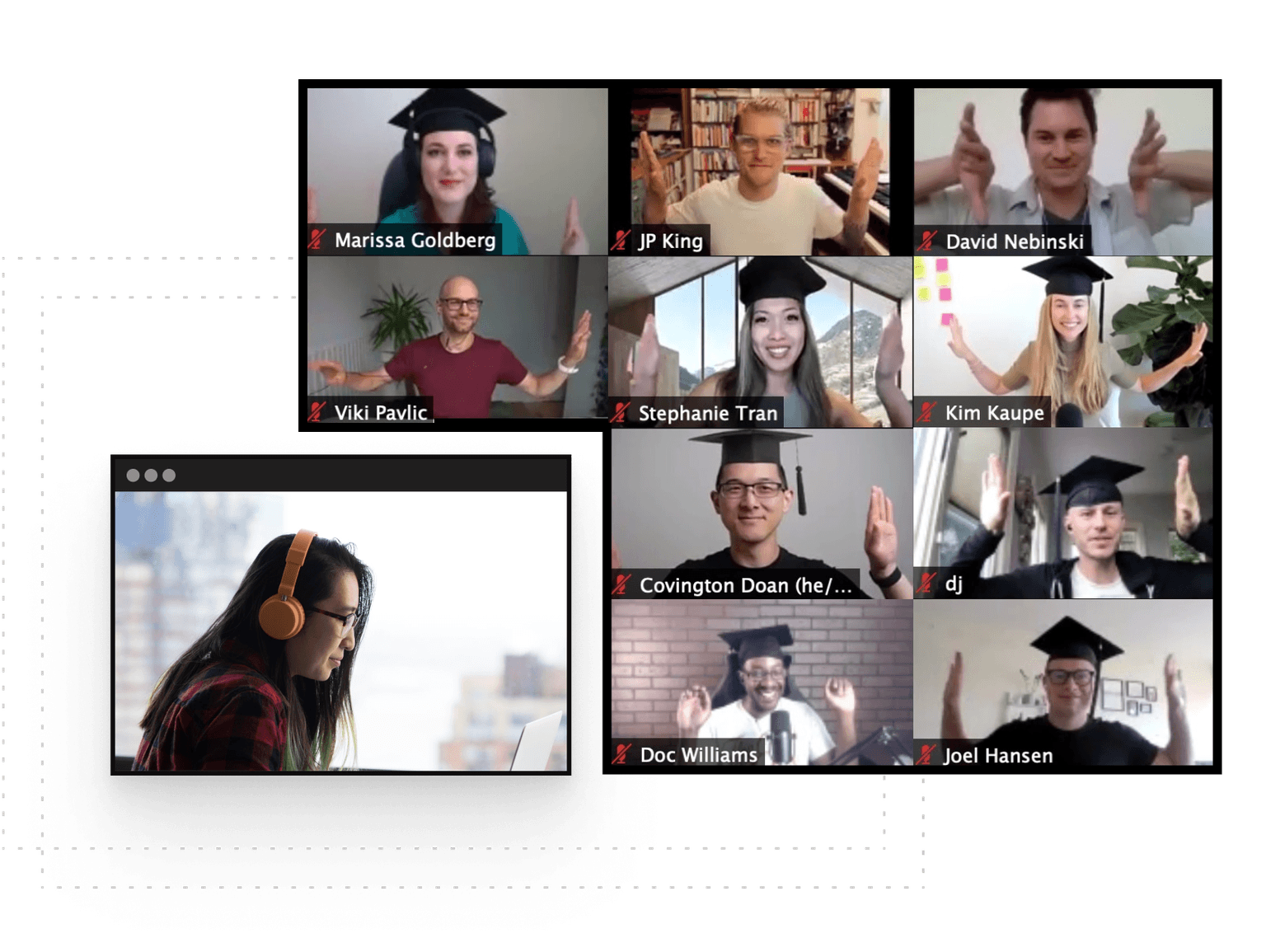
Active learning, not passive watching
This course builds on live workshops and hands-on projects.
Interactive and project-based
You’ll be interacting with other learners through breakout rooms and collaborative challenges.
Learn with a cohort of peers
Join a community of like-minded people who want to learn and grow alongside you.